Can damage be repaired without replacing everything?
Sometimes. A local repair may suit an isolated problem where the surrounding material is sound and a matching finish is available. Widespread, recurring or moisture-related damage needs a closer review of the cause and surrounding area before the repair scope can be confirmed.
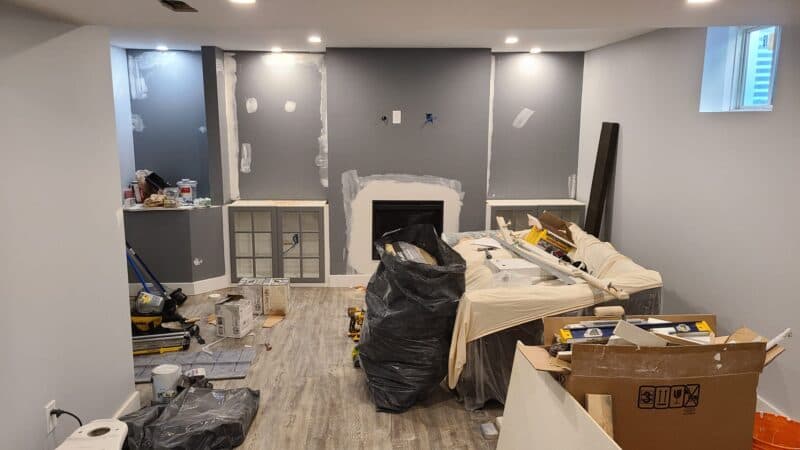
Drywall: show more than the hole
A close-up shows the damage; a wider photo shows edges, corners, ceilings and neighbouring finishes. Mention repeated cracking, softness, staining, a known leak or previous patches. Those details help distinguish a small patch from work that may need a wider section opened or replaced.
Ask whether the estimate includes taping, finishing, sanding, primer and paint, and whether paint covers the patch or the whole wall. Read the drywall repair questions and painting preparation advice.
Plumbing: describe what happens and when
Note recurring drips, running fixtures, slow drainage, unusual sounds or changes in pressure. State which fixtures are affected, when the issue started and whether it happens continuously or only during use. A visible stain does not identify the hidden cause by itself.
For a replacement fixture, include its model, dimensions and photos of accessible connections. Keep concealed pipework and any surrounding cabinet or tile repairs in the scope discussion. An online enquiry does not confirm emergency attendance; active damage needs prompt help through an appropriate local service. See plumbing support.
Paint and tile: separate preparation from the finish
Before discussing new paint, show peeling areas, cracks, old patches and stains. Ask what cleaning, surface preparation, repairs and priming are included. Repainting alone does not address an ongoing leak.
For tile, mention loose pieces, recurring grout cracks, movement or water-related damage. A single replacement may depend on spare matching tiles and the condition of the surface beneath them. Regrouting and rebuilding a damaged surface are different scopes. Read about tile repairs and installation.
Know when the work needs a specialist
Include related electrical, plumbing or structural changes in the request, even when the visible issue looks small. Confirm the appropriate trade and any approvals before work is booked.
ESA explains electrical notifications, inspections and hiring a Licensed Electrical Contractor in Ontario. For a change to the building itself, begin with your municipality’s building guidance.
What to send for a useful review
- A wide photo and a close-up of each issue
- Approximate size and the affected room or fixture
- When it started, whether it recurs and any known cause
- Previous repairs and any matching materials you still have
- Your city, property type, access rules and preferred timing
For several tasks, send one numbered list. Use the project planning checklist, then start your request. The photos begin the conversation; they do not replace an on-site assessment where one is needed.